A membership site is a website where some or all of the content is open only to people who have joined, usually by paying a recurring fee. Members log in to reach what their membership includes: courses and lessons, articles and downloads, live session replays, and often a private community where they talk to each other and to you. For the person running it, a membership site turns knowledge into recurring income instead of one-off sales.
This guide explains what a membership site is, the main types, how they charge, what one needs to work, and how to start one.
How a membership site works
Every membership site has the same basic parts.
- A public page that explains what members get and invites people to join.
- A checkout where people pick a plan and pay.
- A login that recognises members and shows them what their plan includes.
- Gated content: courses, posts, files, replays and community spaces that non-members cannot open.
- Recurring billing that renews the membership and removes access if payments stop.
The value for members is ongoing access. The value for you is predictable income: members who stay pay every month, so each new member adds to the total rather than replacing last month's sales.
Membership site vs online course vs community
The terms overlap, and many businesses combine all three.
| Online course | Online community | Membership site | |
|---|---|---|---|
| What people buy | A defined programme | Access to a group | Ongoing access to content and people |
| How they usually pay | Once, or in instalments | Free or recurring | Recurring |
| Has an end? | Yes, when the course is done | No | No |
| Why people stay | To finish | The conversations | New content plus the conversations |
A membership site often contains courses and a community. The difference is the promise: a course promises a result; a membership promises continued value.
Types of membership site
Content library
Members get a growing library: lessons, templates, recipes, workouts, sheet music, research. New material is added regularly, which gives members a reason to keep paying. Works well for teachers, trainers and specialists with a lot to share.
Course-based membership
One or more full courses unlocked by membership, often released over time rather than all at once. A monthly fee covers the whole catalogue, and new courses are added as the membership grows.
Community membership
The main value is the people: a private group for peers, a professional network, a fan community or a church or association. Content supports the conversation rather than the other way round. See paid community platform for how charging for a community works.
Coaching or mastermind membership
Group calls, replays, a private space for questions and accountability, sometimes with individual sessions on higher tiers. Coaches often turn a one-off programme into a monthly membership this way.
Tiered membership
Two or three levels, each unlocking more: for example, a content tier, a tier that adds the community, and a top tier that adds live calls. Tiers let members start small and upgrade.
Free membership
Some sites use a free membership to build an audience, with free resources behind a login, and sell paid tiers or courses to free members later.
How membership sites charge
The monthly subscription is the most common, but it is not the only model.
- Subscription: the same amount every week, month or year until the member cancels.
- Recurring payment for a set period: for example, twelve monthly payments for a year-long programme.
- One-time payment: lifetime access for a single price.
- Instalments: a fixed total split into several payments.
- Free trial: a few days or weeks free before the first payment, to let people try it.
- Pay what you want: members choose the amount within a range, often used by creators with a supportive audience.
- Tiers and upgrades: a higher price for more access, with members moving up when they want more.
Many sites mix these: a monthly plan, a discounted yearly plan and a lifetime option, side by side.
What a membership site needs to succeed
A clear promise. "Monthly bread-making lessons and a baker's community" is easier to join than "exclusive content". Say who it is for and what they get each month.
A reason to stay. The biggest challenge for any membership is members leaving. A regular rhythm, such as new lessons on the first of the month, a live call every fortnight and an active community, gives people a reason to keep paying. Our guide to membership retention strategies goes deeper.
Content released over time. Dripping lessons out over weeks keeps members coming back and avoids overwhelming new joiners.
A good first week. A welcome message, a clear first step and an easy win in the first few days make new members far more likely to stay.
Simple billing. Members should be able to upgrade, downgrade or update their card without emailing you.
One login for everything. If courses live in one tool, the community in another and billing in a third, members get lost and you spend your time connecting systems.
How to build a membership site on Vonza
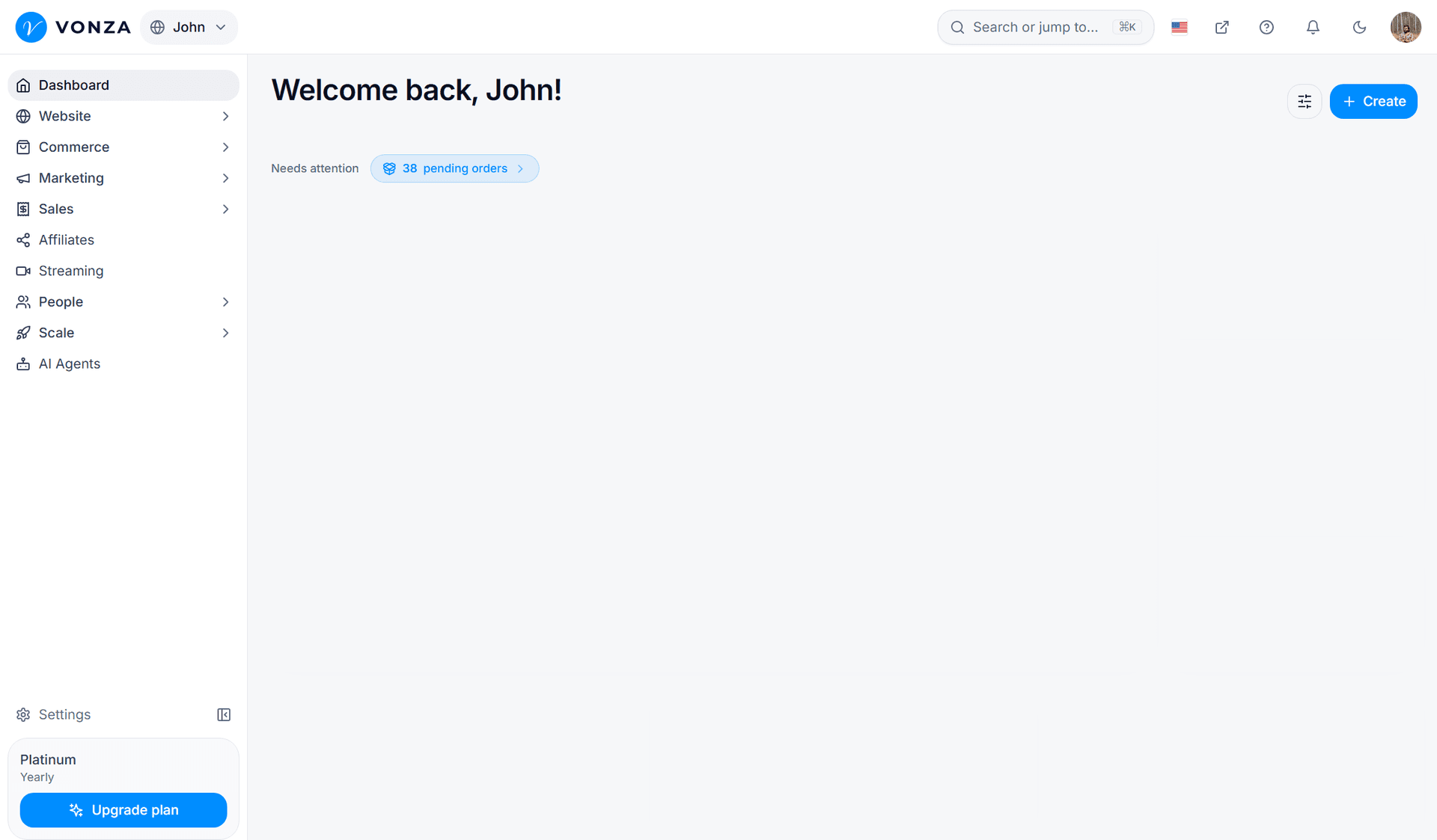
Vonza puts the pieces of a membership site in one account: courses, community, sales page, checkout, member logins and email, included in every Vonza plan, 14-day free trial.
- Create the community and its plans. A Vonza community can carry several plans at once, from seven kinds: Free, One-Time Purchase, Subscription Plan, Recurring Payment, Installment Plan (up to 100 payments), Flexible Payment and Pay What You Want. Subscription, recurring and instalment plans can start with a free trial of 1 to 365 days.
- Organise it into spaces. Mark each space public, private, paid or read only. Give a space its own plans, or let a higher community plan unlock it, so a higher tier opens more rooms.
- Link your courses. Build courses on the online course platform with video, file, text, embed, live-stream, quiz and assignment lessons, and release lessons immediately, some days after enrolment, on a date, after a payment or after a quiz is passed. Link courses, products and bundles to the community or a space, and choose how members reach each one: open, locked, unlocked at a level, unlocked after a number of days, or bought separately.
- Publish the sales page and take payment. Every community gets its own sales page from four templates, with a checkout that lists your plans. Payments go through your own Stripe or Paystack account.
- Let members manage their own plan. Members upgrade or downgrade from their own page: upgrades start straight away and are prorated, downgrades start at the next renewal.
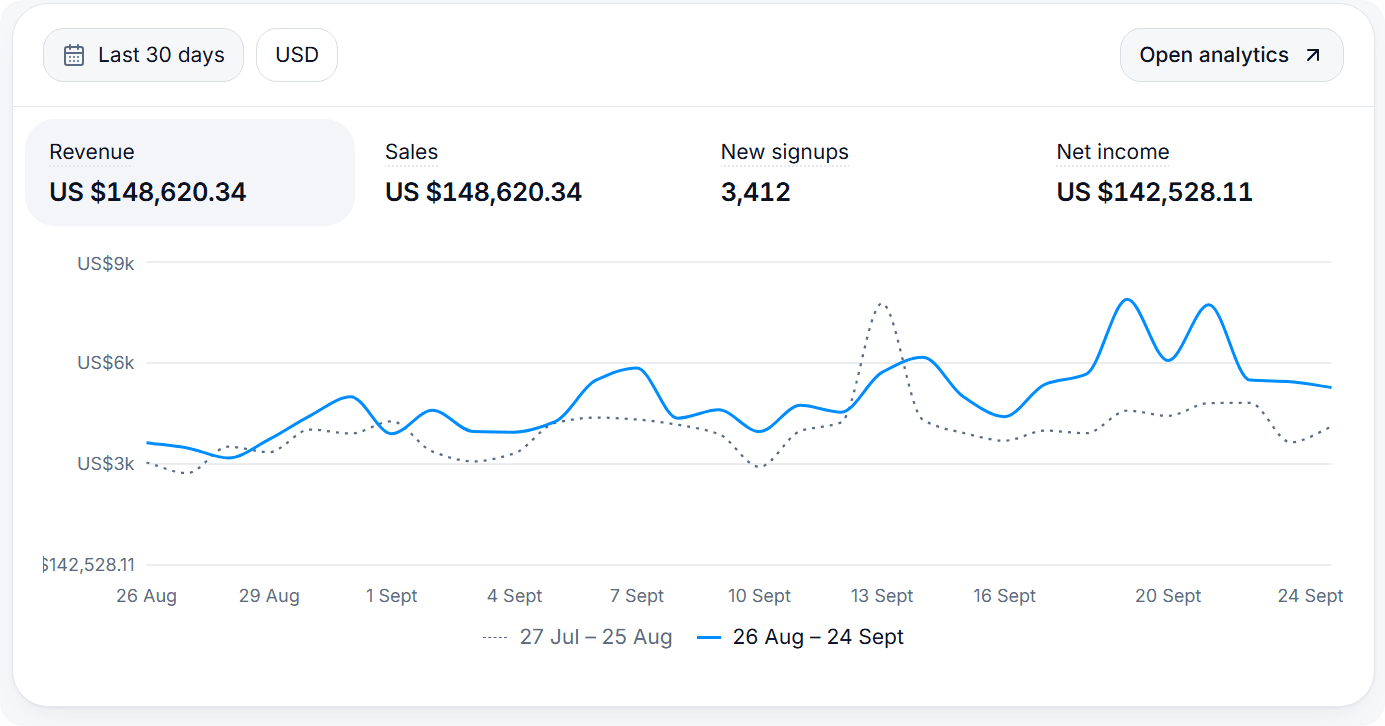
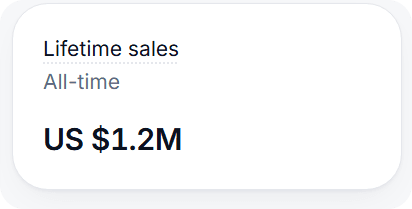
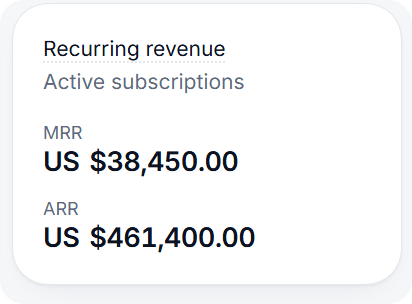
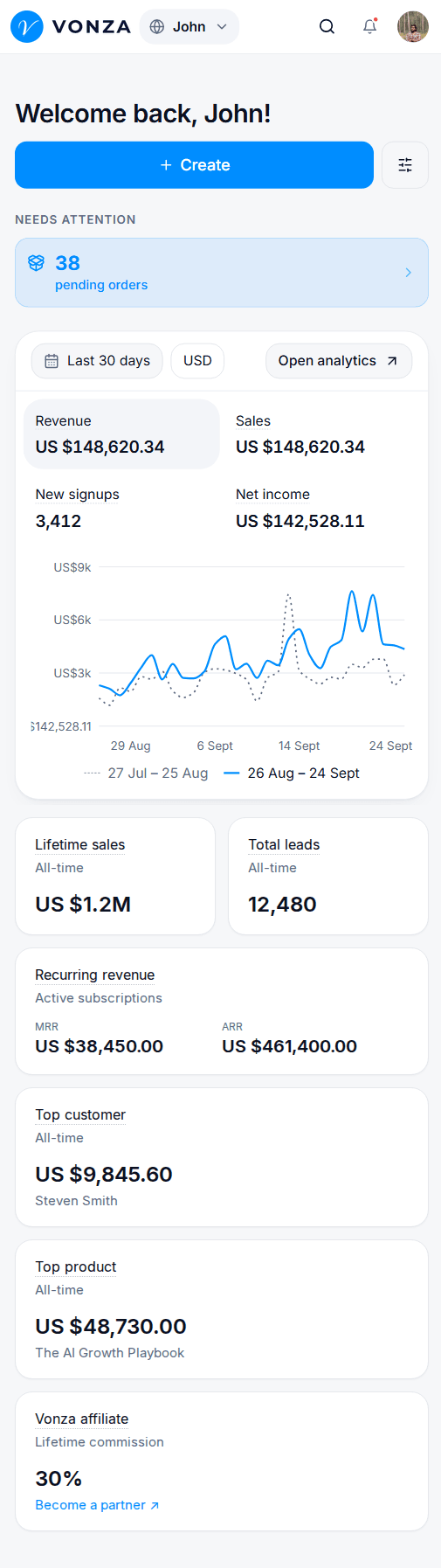
Inside, members post, comment, message each other one to one, join events and live streams, and earn points and levels on a leaderboard. Students log in once on the student portal to reach their courses, downloads, live sessions and billing, and the community works on any phone in the browser. Revenue analytics show revenue, MRR, paying members and subscription churn by plan, so you can see whether members are staying.
Summary
A membership site gives members ongoing access to content and community in return for a recurring fee. Pick a type that suits what you have to offer, make the promise specific, release content on a steady rhythm and keep everything behind one login. When you are ready, compare pricing and browse membership site ideas to choose your first offer.